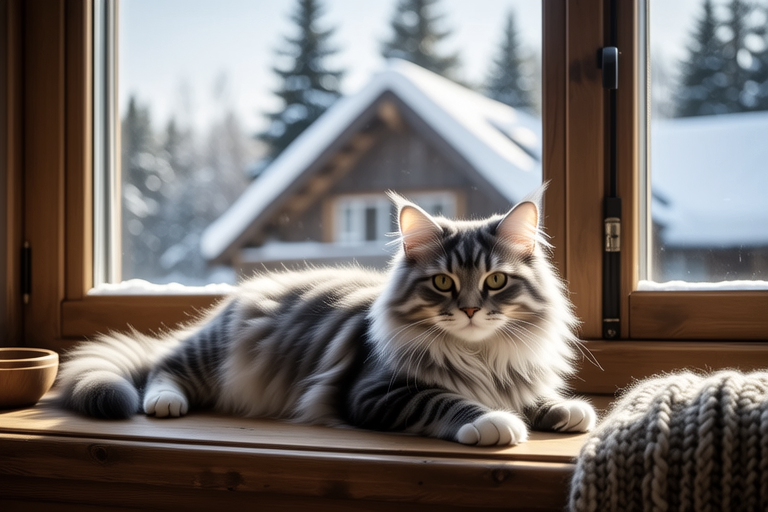
Pets in Norway: Traditions, Care Practices, and Cultural Significance
Exploring the unique traditions and care practices associated with pets in Norway reveals a rich tapestry of historical context, cultural significance, and evolving attitudes toward animal welfare. This article delves into the history of pet ownership in Norway, favored breeds, dietary preferences, and cultural festivals. It also examines the emotional bond between humans and their pets, compares Norwegian pet care methods with international standards, and highlights community initiatives and laws reflecting the country’s commitment to pet welfare.
Historical Context of Pet Ownership in Norway
The history of pet ownership in Norway is deeply intertwined with the country’s agricultural heritage and Viking culture. Dogs were initially kept for herding and protection, while cats were valued for their ability to control rodent populations. Over time, pets became more than just working animals; they were cherished companions. The Vikings were known for their affinity for large dogs, which often accompanied them on voyages and battles. Today, this legacy is reflected in the continued popularity of robust, hardy breeds suited to Norway’s climate.
Traditional Breeds Favored by Norwegians
Norwegians favor several traditional breeds, each with its own unique characteristics. The Norwegian Elkhound, a compact and sturdy dog, is particularly popular. Known for its loyalty and resilience, it is well-suited to the harsh Norwegian winters. Another beloved breed is the Norwegian Buhund, a small, intelligent dog often used for herding. Cats such as the Norwegian Forest Cat, with its thick, water-resistant coat, are also highly regarded. These breeds not only serve practical purposes but also embody the spirit of Norwegian culture.
Evolving Attitudes Towards Animal Welfare
Over the years, Norwegian attitudes towards animal welfare have undergone significant changes. Initially, pets were primarily seen as functional, but today, they are widely recognized as integral members of the family. This shift has led to stricter regulations regarding animal treatment, including bans on declawing cats and tail docking dogs. The Norwegian government has implemented comprehensive legislation to ensure the well-being of all animals, reflecting a broader societal commitment to ethical treatment.
Dietary Preferences for Pets Based on Local Resources
The diet of pets in Norway is influenced by the country’s abundant natural resources. Fresh fish, particularly salmon and trout, is a staple in many pet diets. The cold waters surrounding Norway provide an excellent source of omega-3 fatty acids, essential for maintaining healthy skin and coat. Additionally, wild game, such as reindeer and moose, is sometimes incorporated into pet food. These ingredients not only align with local availability but also offer nutritional benefits tailored to the needs of Norwegian pets.
Cultural Festivals and Events Celebrating Pets
Several cultural festivals and events celebrate pets in Norway. One notable event is the annual Dog Show in Oslo, where enthusiasts gather to showcase their best-in-breed contenders. Another popular celebration is the “Felleskåpsdag” (Community Day), during which pet owners come together to share stories, participate in workshops, and engage in activities promoting responsible pet ownership. These events foster a sense of community and encourage the exchange of knowledge and experiences among pet lovers.
The Role of Pets in Norwegian Households
In Norwegian households, pets play a vital role, often becoming close companions and sources of emotional support. Studies have shown that owning a pet can significantly improve mental health and reduce stress levels. Many Norwegians view their pets as family members, providing them with love, attention, and a sense of security. The emotional bond between humans and their animals is particularly strong, with many pet owners reporting increased feelings of happiness and fulfillment.
Comparing Norwegian Pet Care Methods with International Standards
When compared to international standards, Norwegian pet care methods exhibit distinct features. For instance, Norwegian veterinarians emphasize preventative care, recommending regular check-ups and vaccinations to maintain optimal health. In contrast, some countries focus more on reactive treatments. Additionally, Norwegian pet owners tend to prioritize quality over quantity when it comes to pet food, opting for premium brands that meet high nutritional standards. This approach ensures that pets receive the best possible nourishment, contributing to their overall well-being.
Community Initiatives and Laws Reflecting Commitment to Pet Welfare
Several community initiatives and laws demonstrate Norway’s commitment to pet welfare. One example is the establishment of pet-friendly parks and designated walking areas in urban centers. These spaces provide opportunities for pets to exercise and socialize in safe environments. Furthermore, many municipalities offer subsidized spaying and neutering services to reduce unwanted litters and promote responsible breeding practices. These measures reflect a shared responsibility for ensuring the well-being of all animals within the community.
Practical Advice for Adopting Norwegian Care Philosophies
For pet owners interested in adopting Norwegian care philosophies, there are several practical steps to follow. First, consider incorporating fresh fish and wild game into your pet’s diet, if appropriate. Second, prioritize preventative care by scheduling regular veterinary appointments and adhering to recommended vaccination schedules. Third, engage with local pet communities through events and online forums to exchange ideas and learn from experienced pet owners. By embracing these practices, you can enhance the quality of life for your pet and strengthen the bond between you both.
