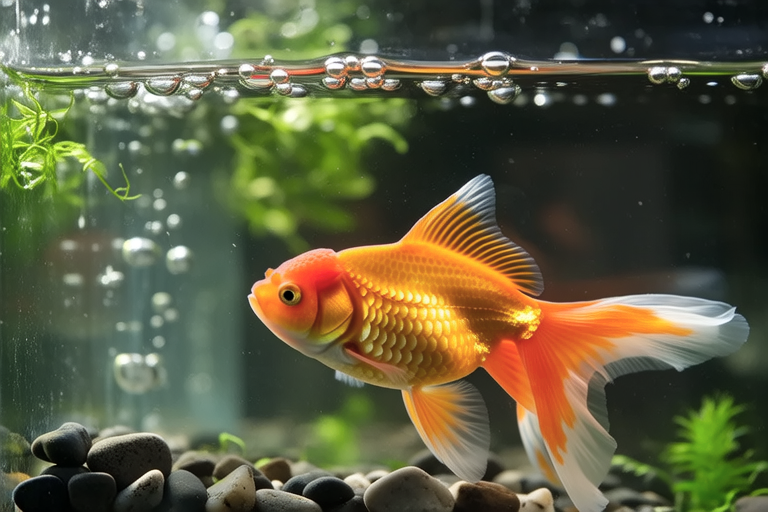
Top Secrets to Keeping Your Goldfish Vibrant and Healthy
Welcome to the wonderful world of goldfish ownership! These delightful creatures bring joy and tranquility to homes across the globe. However, to ensure your goldfish remain vibrant and healthy, it’s important to understand the nuances of their care. This guide will cover everything from water quality maintenance to tank size and setup, providing you with the secrets to keeping your goldfish thriving.
Water Quality Maintenance: The Foundation of Health
The health of your goldfish begins with the water they live in. Maintaining clean, well-oxygenated water is crucial. Start by ensuring the water temperature stays between 68°F and 74°F (20°C to 23°C). Avoid sudden temperature changes, which can stress your fish. Use a reliable thermometer to monitor this.
Aquarium salt can help maintain water quality by reducing harmful bacteria and parasites. However, it’s essential to use the correct amount; typically one tablespoon per five gallons of water. Always consult the packaging or a professional for guidance.
Water hardness and pH levels also play significant roles. Goldfish prefer slightly alkaline water with a pH between 7.0 and 8.0. Hardness should be around 10 to 20 dGH. Test kits are invaluable tools for monitoring these parameters.
Appropriate Diet: Nourishing Your Goldfish
Goldfish are omnivores, requiring a balanced diet that includes both plant matter and protein. High-quality flake food serves as a staple, but variety is key. Supplement with freeze-dried or frozen foods like bloodworms, brine shrimp, and daphnia. Vegetables such as zucchini, peas, and spinach offer essential nutrients.
Feed your goldfish small amounts two to three times daily, allowing them to consume all food within a few minutes. Overfeeding leads to waste buildup, negatively impacting water quality. Remember, goldfish have small stomachs, so moderation is vital.
Tank Size and Setup: Providing Adequate Space
Goldfish are active swimmers and need ample space to thrive. A single goldfish requires at least 20 gallons of water, increasing by 10 gallons for each additional fish. Larger tanks reduce the impact of waste on water quality, promoting better health.
Equip your tank with a robust filtration system capable of handling at least four times the volume of water per hour. Filtration removes debris, excess food, and harmful chemicals, maintaining clear, oxygen-rich water.
Incorporate decorations and plants to create hiding spots and resting areas. Real or artificial plants stimulate natural behaviors, enriching your goldfish’s environment. Ensure decorations have smooth edges to prevent injuries.
Filtration Systems: Ensuring Clean Water
Select a filtration system based on your tank’s size and goldfish population. Undergravel filters, sponge filters, and canister filters are popular choices. Each type has its advantages:
- Undergravel Filters: Efficient at moving water through the substrate, promoting biological filtration.
- Sponge Filters: Gentle and effective for fry and sensitive species, trapping particles without causing stress.
- Canister Filters: Powerful and versatile, suitable for larger tanks and multiple fish.
Regularly clean filter media to prevent clogging and maintain optimal performance. Follow manufacturer guidelines for maintenance schedules.
Regular Cleaning Routines: Maintaining a Healthy Environment
Perform partial water changes weekly, removing approximately 10-20% of the tank’s water. Replace with dechlorinated water of similar temperature to avoid shocking your fish. Skimming the surface with a net helps remove floating debris.
Scrub algae from tank walls and decorations gently. Algae control devices or chemical treatments may be necessary if growth becomes excessive. Avoid harsh chemicals that could harm your goldfish.
Monitor water parameters during routine checks. Adjust as needed to maintain ideal conditions for your goldfish.
Temperature Control: Keeping Your Goldfish Comfortable
Goldfish are cold-water fish, thriving best in temperatures between 68°F and 74°F (20°C to 23°C). Avoid extremes; sudden temperature fluctuations can stress your fish, making them more susceptible to diseases.
Invest in a reliable heater with a thermostat to maintain consistent temperatures. Position heaters away from direct light sources to prevent overheating. Regularly check and adjust settings as necessary.
Signs of Illness: Early Detection Saves Lives
Early detection of illness is crucial for successful treatment. Monitor your goldfish daily for any unusual behavior or physical changes. Common signs of distress include:
- Lethargy or loss of appetite
- Visible lesions or discoloration
- Frequent scratching against tank surfaces
- Abnormal swimming patterns
If you notice any of these symptoms, isolate the affected fish in a quarantine tank. This prevents the spread of potential infections to other fish. Consult a veterinarian specializing in aquatic animals for diagnosis and treatment options.
The Importance of a Varied Environment: Stimulating Your Goldfish
Providing a stimulating environment enhances your goldfish’s well-being. Incorporate toys, floating objects, and interactive elements to encourage exploration and exercise. Rotate these items periodically to keep your goldfish engaged.
Consider adding a bubble wand or air pump to introduce gentle currents. This simulates natural water movements, encouraging swimming and improving overall fitness. Ensure current strength is moderate to prevent overwhelming your fish.
Vary feeding locations and techniques to stimulate hunting instincts. Use feeding rings or sinking pellets to challenge your goldfish, promoting mental engagement.
Conclusion: A Happy Home for Your Goldfish
By following these secrets, you’ll provide your goldfish with a vibrant, healthy environment. Remember, proper care requires commitment and attention to detail. With patience and dedication, your goldfish will reward you with years of companionship and joy.
Whether you’re a novice or seasoned aquarist, these tips will help you create an ideal habitat for your goldfish. Enjoy the process of learning and growing alongside your aquatic friends!
