Exploring the World of Norwegian Pets: Unique Behaviors and Insights
Welcome to a delightful journey into the heart of Norwegian pet culture! From the rugged mountains to the serene fjords, Norway offers a unique environment that shapes the behaviors and characteristics of its beloved pets. This article delves into the fascinating world of Norwegian pets, focusing on their unique behaviors, popular breeds, dietary preferences, and much more.
The Historical Context of Norwegian Pet Behavior
The history of pet ownership in Norway is rich with tradition. Dogs have been companions to Norwegians for centuries, often serving as loyal hunting partners or guardians. This long-standing relationship has influenced the development of certain behaviors in Norwegian pets. The harsh winters and remote landscapes have also played a significant role in shaping their resilience and adaptability.
Popular Pet Breeds in Norway
Several breeds thrive in Norway’s diverse landscapes. The Norwegian Elkhound, a hardy breed known for its loyalty and independence, is particularly well-suited to the country’s climate. These dogs have a thick, double coat that protects them from the cold and snow, making them ideal for outdoor activities. Another popular breed is the Lundehund, a small but sturdy dog with unique physical traits, such as extra joints in its toes and the ability to bend its head backwards over its back. This breed was originally used to hunt puffins and has adapted to the coastal regions of Norway.
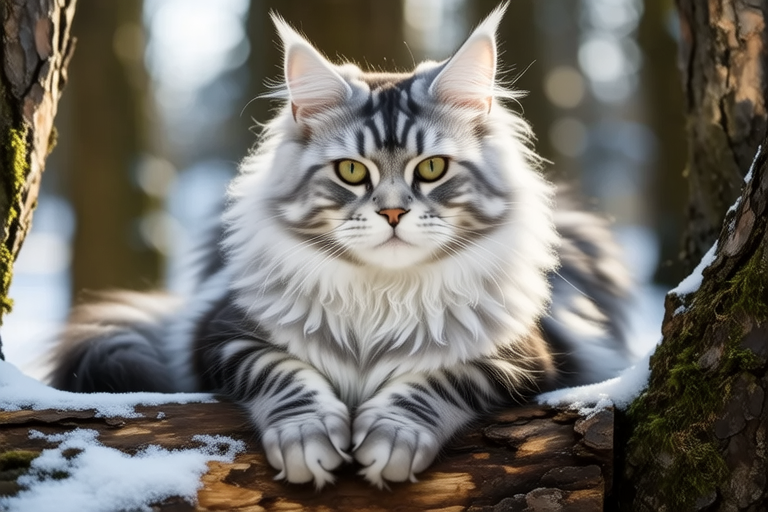
In addition to dogs, cats are also cherished companions in Norway. The Norwegian Forest Cat, with its dense, water-repellent coat, is perfectly suited to the country’s climate. Known for their playful nature and affectionate personalities, these cats are often found lounging by windows or exploring the outdoors. They are highly adaptable and can thrive both indoors and outdoors.
Dietary Preferences and Adaptations
The diets of Norwegian pets reflect the availability of local resources. In rural areas, dogs may be fed a diet rich in fish and game meats, reflecting traditional hunting practices. Cats, on the other hand, often enjoy a mix of commercial cat food and fresh fish. Nutrition plays a crucial role in maintaining the health and behavior of these animals. A balanced diet ensures optimal energy levels and supports their natural instincts.
For example, the Norwegian Elkhound requires a diet high in protein to maintain its muscle mass and endurance. Similarly, the Norwegian Forest Cat benefits from a diet rich in omega-3 fatty acids to support its coat health. Proper nutrition not only influences their physical health but also affects their behavior, ensuring they remain active and engaged.
Social Interactions and Training Methods
Norwegian pets are known for their strong bonds with their human families. Dogs, in particular, are highly social and thrive on interaction. Training methods in Norway often emphasize positive reinforcement, encouraging good behavior through rewards rather than punishment. This approach fosters a strong bond between pet and owner, making training sessions enjoyable for both.
Cats, while generally more independent, also benefit from structured training. Techniques such as clicker training can be used to teach cats simple commands or tricks. These methods not only enhance communication between cat and owner but also provide mental stimulation for the animal.
Peculiar Traits and Adaptations
One of the most fascinating aspects of Norwegian pets is their adaptation to the local climate. The Norwegian Elkhound, for instance, has a thick, protective coat that allows it to withstand sub-zero temperatures. Its double-layered fur acts as insulation, keeping the dog warm even in the harshest conditions. Similarly, the Norwegian Forest Cat’s dense coat provides protection against the elements, allowing it to venture outside year-round.
These adaptations are the result of centuries of evolution and selective breeding. The unique physical traits of the Lundehund, such as its flexible joints, have allowed it to excel in its original role as a puffin hunter. Today, these traits make the breed a favorite among agility enthusiasts.
Common Health Issues and the Role of Nutrition
Despite their resilience, Norwegian pets are not immune to health issues. Common problems include joint issues, particularly in older dogs, and dental problems in cats. Regular veterinary check-ups and proper nutrition are essential for maintaining the health of these animals. Omega-3 fatty acids, for example, are known to promote healthy skin and coat, while glucosamine supplements can help manage joint pain in dogs.
Nutrition plays a critical role in preventing and managing these health issues. A diet rich in antioxidants can help boost the immune system, while high-quality protein sources ensure optimal muscle health. By understanding the nutritional needs of their pets, owners can take proactive steps to ensure their animals live long, healthy lives.
The Role of Climate in Pet Behavior
The Norwegian climate has a significant impact on pet behavior. During the long, dark winter months, pets may become less active and more prone to anxiety. To combat this, owners can encourage indoor play sessions and provide additional warmth and comfort. In contrast, the summer months offer opportunities for outdoor activities, such as hiking or swimming.
Understanding how climate affects your pet’s behavior is key to providing the best care possible. By adapting to the changing seasons, you can ensure your pet remains happy and healthy throughout the year.
Conclusion
The world of Norwegian pets is a fascinating one, full of unique behaviors and adaptations. From their historical roots to their modern-day roles as cherished companions, these animals play an important part in Norwegian life. By understanding their dietary needs, social interactions, and environmental adaptations, we can better care for our furry friends and ensure they lead fulfilling, healthy lives.
Whether you’re a seasoned pet owner or a curious enthusiast, there’s always something new to learn about Norwegian pets. So why not dive deeper into this captivating world and discover the joys of pet ownership in Norway?
